Transferable skills

Careers don’t always follow a straight path. What may look like a “step away” can often become the most valuable chapter in your professional development. The challenge is not the experience itself but recognising the skills you gain along the way, and knowing how to use them.

As I often say, life is too short to have just one career. Unless you are genuinely happy where you are (and there is absolutely nothing wrong with that) it is natural to want to explore something completely different. I see it constantly, particularly with younger professionals and internationals navigating a new country. The desire to change direction is not a sign of failure. It is often a sign of growth.

As a recruiter, I have always appreciated candidates who come from unexpected backgrounds. Different industries build different talents. And transferable skills are not just a trendy word that people throw around on their resumes; they are real, and they matter more than most people realise.

Let me share my story.

From the office to the Great Barrier Reef

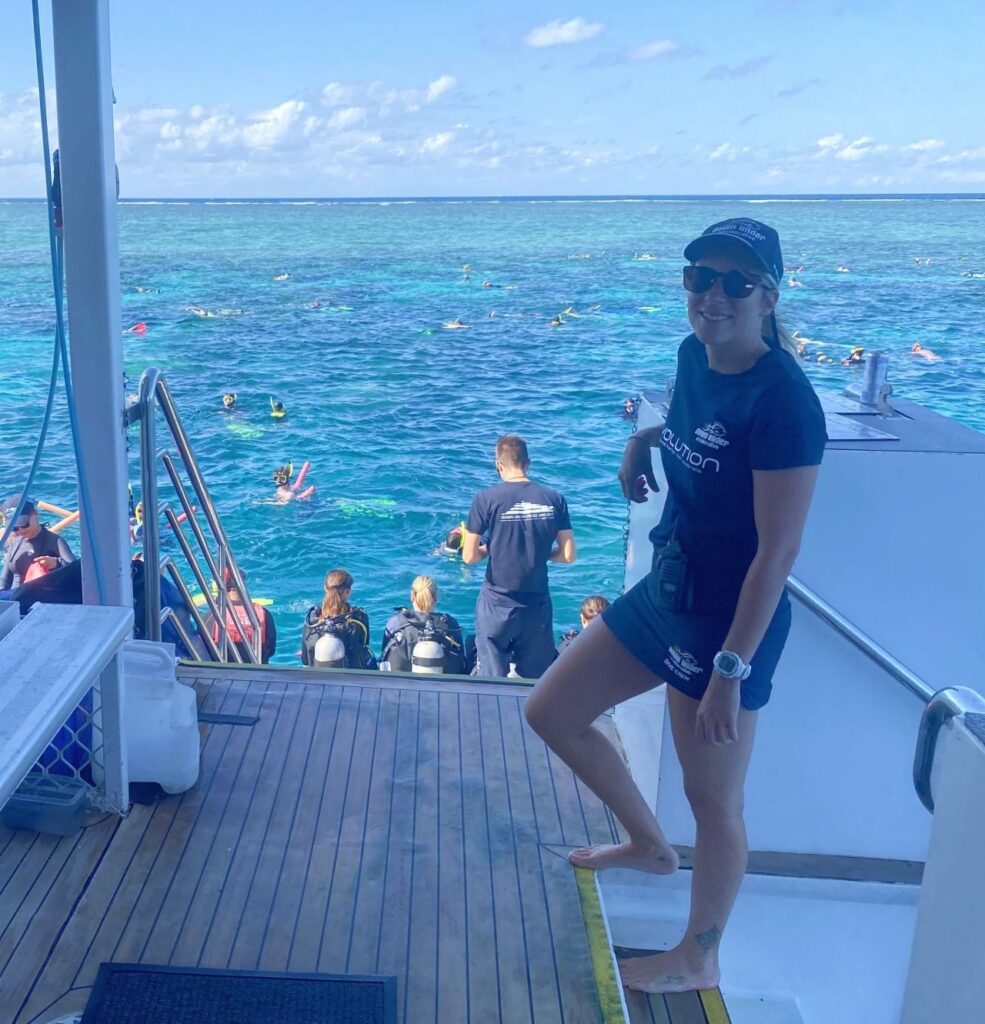
A few years ago, I made the decision to take a break from the corporate world. I was stressed and restless, and after spending a few days on a liveaboard, diving every day, I found myself watching the crew working on the boat and thinking, they are having the time of their lives and making a living from it. How great! So when the opportunity came to move to Cairns and apply for a divemaster internship, I took it.

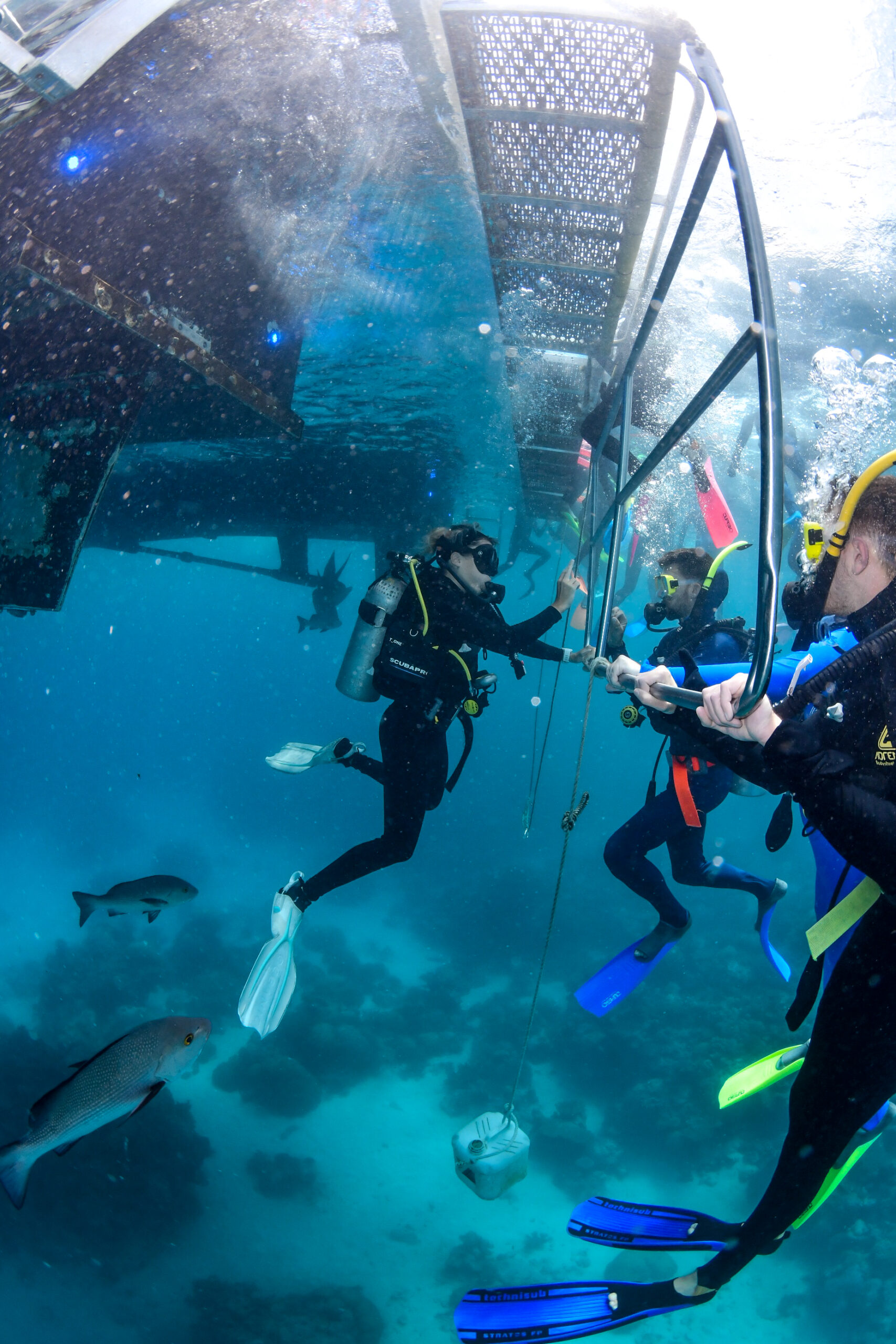
I started as a divemaster intern on a daily excursion boat out on the outer Great Barrier Reef. I came from an office, and I knew nothing about working on the water. Everything was new: the physical demands, the elements, the ten-hour days, and rostered shifts. I started from zero at 27 years old, and it was humbling. But I was passionate about scuba diving and supported by an incredible crew who became more like family. As a result, I completed my internship, passed my PADI theory and practical exams, and got hired on as a hostie. From there, I worked my way up to dive guide, then dive instructor, and eventually dive supervisor.

This was probably the toughest job I had in my entire career, and clearly the one I learned the most from. After three years in that role, the office suddenly seemed much manageable! I have identified three core transferable skills that have stood out as the most valuable.

Teaching | Coaching skills

When I completed my Instructor Development Course in Indonesia, I expected to come back a better diver. What I did not expect was how deeply it would shape the way I work with people.

Teaching scuba diving is not only technical. It is about being able to transfer knowledge in a way that a nervous beginner can understand, trust you and act on. You learn very quickly that every student is different. Some need a calm and patient explanation. Some need encouragement, and others some tough love. And some just need someone to believe in them before they can believe in themselves.

The pedagogy behind instructor training goes much deeper than the technical side of diving. You study how people learn. You practise how to structure a lesson so that it builds confidence progressively rather than overwhelming someone all at once. Those are coaching skills. The ability to meet someone where they are, adapt your communication style to what they need, and guide them toward a result they did not think they were capable of; that is exactly what I bring to my work with clients today.

The most rewarding moments as an instructor were when a student surfaced after their first dive, face lit up, completely speechless. That experience of helping someone overcome fear and gain confidence stuck with me. Helping people reach that moment of realisation and start believing in themselves is something I keep pursuing today through my coaching business.

True leadership

As dive supervisor, I was responsible for a team of around 20 crew members – interns, hosties, deckhands, divemasters, snorkel guides, and instructors. My responsibilities ranged from role allocation and training to inductions, conflict resolution, performance management, safety, ensuring smooth daily operations, and customer service for our 150 daily passengers. Every day on the water required constant supervision, quick decision-making, problem-solving, coordination, scheduling, and ensuring safety standards across the entire operation.

But the real leadership development happened at sea. There was no room for any fluff. That kind of leadership is forged under real pressure, in real conditions. It is a completely different experience from a management training course, and I would argue it builds something far more tangible.

Public speaking

One of the key parts of that role was delivering the daily briefing to up to 100 passengers at a time. A 40-minute presentation covering safety protocols, reef ecology, the schedule for the day, and the different activities on offer. Early on it was nerve wracking. Eventually it became something I genuinely enjoyed. I have not feared public speaking or presenting at work since, and this experience on the boat is a big reason why!

What this means for you

If you have ever worked in hospitality, a customer facing role, or any environment where you had to manage people, solve problems on the spot, and keep things running under pressure; you have more to offer than you probably realise. The same goes if you have changed industries, moved countries, raised a family, taken a career break, or built experience in places that do not fit neatly into a traditional resume.

The skills are there. They were built in real situations, under real pressure, and that makes them more solid than anything you pick up in a workshop or a training module. The challenge is rarely the experience itself; it is about knowing how to talk about it in a way that lands with an employer.

Your path does not have to look conventional to attract recruiters. Sometimes the most unconventional paths are the ones that build the most broadly experienced professionals. Trust what you have built. The rest is just translation, and I can help you with that. Book a free 15-minute call here and let’s figure out together how to make your experience stand out.

Comments

Leave a Reply

Your email address will not be published. Required fields are marked *